
AI Is A Gateway To The Welfare State
October 6, 2026 |
Keith Giles

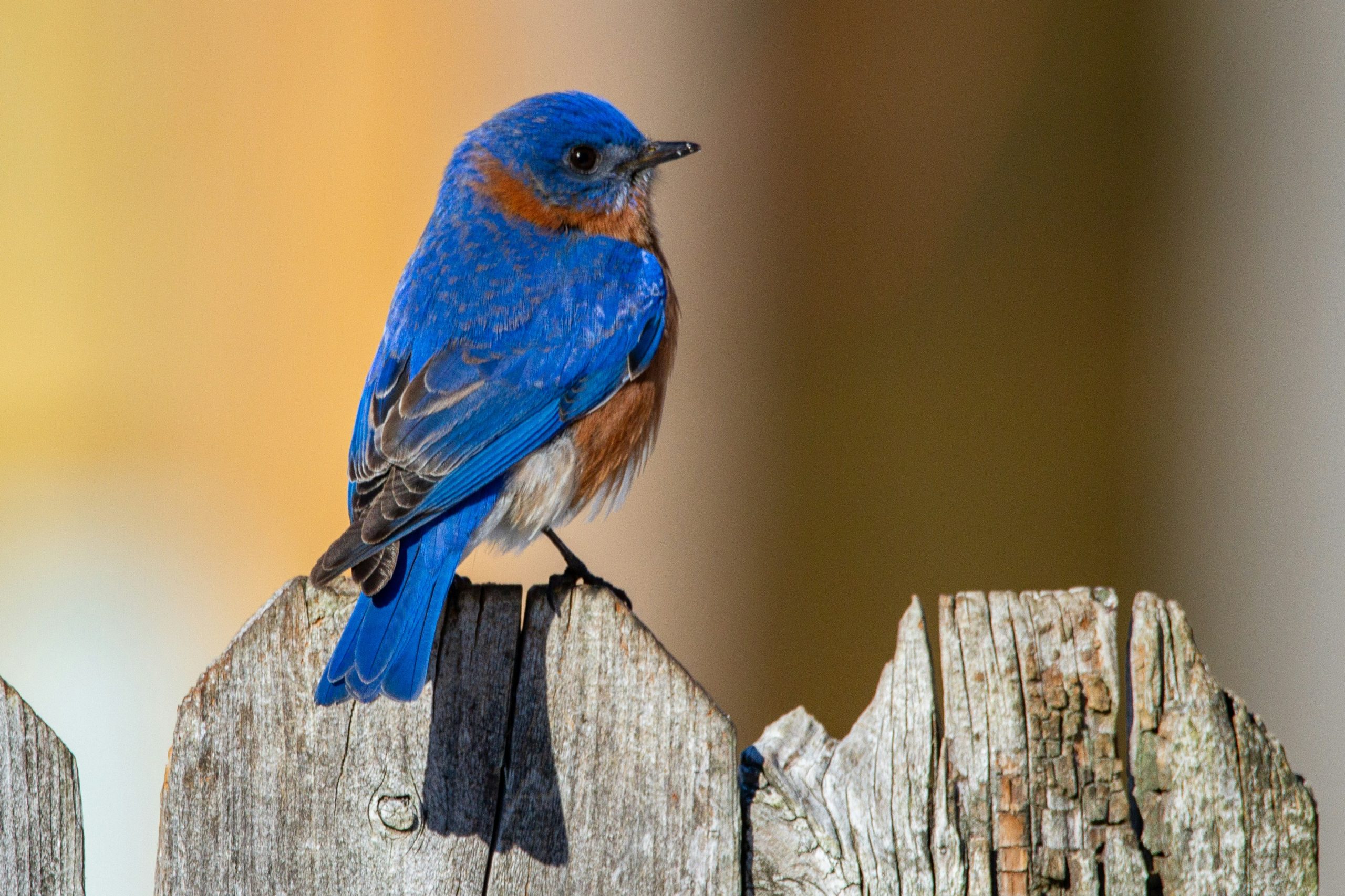
I was sent a poem the other day. It was Bluebird by Charles Bukowski—and it stopped me in my tracks. In just a few short lines, Bukowski captured something deeply human, something quietly aching inside so many men.
It went hand in hand with the article I recently wrote about young men and how they are raised—how the world teaches them to hide their softness, bury their pain, and wear strength like armor. I wanted to continue that conversation here.
There’s a bluebird in his heart. He keeps it tucked beneath denim and callouses, under muscle and memory. It flutters there, soft and alive, but no one ever told him how to let it sing. So he hides it. Locks it down. Pretends he doesn’t feel the ache.
Because what happens when a man shows his softness? Too often, he’s told it makes him weak. Not just by other men, but by women too. Many men carry stories of opening up—only to be met with silence, discomfort, or worse, dismissal. And sometimes, that sting doesn’t come from the outside world, but from the women closest to them.
So let’s start there. With us.
Women aren’t the enemy. But we must own the roles we sometimes play in reinforcing the very patriarchy we say we’re dismantling. That reinforcement doesn’t always look like overt control—it can be subtle, relational, even emotional. Some men from the red-pill community have described a recurring experience: opening up emotionally, only to have their vulnerability later weaponized against them. In arguments, in moments of power imbalance, or simply out of frustration, some women have used a man’s softness to cut him down—mocking his tears, using personal admissions as ammunition, or questioning his masculinity.
That’s not just a lapse in empathy. It’s a deep betrayal of trust.
And the truth is, this kind of emotional manipulation doesn’t just harm the man—it harms the woman too. It creates relational trauma that both people carry forward. It erodes the foundation of intimacy and teaches men to shut down, while teaching women to distrust their own emotional instincts. It becomes a cycle that often plays out again and again in future relationships unless someone decides to break it.
We’ve laughed when boys cried, called a man “too sensitive,” or turned away when he dared to share the parts of himself that didn’t fit into the strong-silent mold. Not because we are cruel—but because we too were taught that men who feel deeply are dangerous or deficient.
But the truth is: a man who cries is not a man who is broken. He is a man who has not given up.
Men want to be seen. And they want to be safe while being seen.
That desire is not weakness. It’s human.
For many men, the fear of embracing their emotions doesn’t start with women. It starts long before that—with the men who raised them, the schools that toughened them, the culture that shamed them. They are raised to earn love, not receive it freely. They are taught to pursue power, not presence. And when they begin to unlearn these things, they often do so in silence.
And yet, behind so much of their struggle, there is often a deeper root—one that traces back to the first woman they ever loved: their mother.
This must be said gently. Carefully. But truthfully.
Some men grow up emotionally entangled with their mothers, taught to be the emotional caretakers or pseudo-spouses in homes where boundaries were blurry. Others grow up emotionally starved—longing for affection or acceptance that never came. In both cases, the boy becomes a man who is uncertain of how to receive love—or give it without fear.
This is not about blame. It’s about understanding. And healing.
Because that’s what this conversation needs most. Healing.
The red-pill community has grown not just because of misogyny, but because of unacknowledged pain. When men say they feel unseen, unheard, or unloved—they mean it. And they deserve more than ridicule. They deserve reflection.
But pain cannot be the reason we remain cruel. Bitterness is not strength. Emotional repression is not manhood. And if we are to heal, we must return to the root.
We must return to the bluebird.
That quiet part inside every man that wants to feel. That aches to be more than a paycheck or a protector. That yearns to be known.
This is where early-era feminism had it right. Feminism was never meant to erase men. It was meant to free us all. It wasn’t about tipping the scales in the other direction—it was about leveling the field for everyone. It challenged rigid gender roles that said women must be submissive and men must be stoic. It advocated for men to be fathers who are present, not just providers; partners who listen, not just lead.
Early-era feminism said: let’s stop assigning value to activities based on gender. Let’s create classrooms where emotions are as important as grades. Let’s make it okay for a man to take parental leave, to be the one who nurtures at 2 a.m., to be soft in a world that keeps trying to harden him.
And when men are freed from those old expectations, communities thrive. Households become more emotionally healthy. Children grow up seeing tenderness modeled by all genders. Marriages become partnerships of mutual respect, not silent suffering. Friendships deepen. Violence decreases. Empathy expands. The ripple effect is real.
That’s the legacy we can reclaim.
The modern landscape can feel hostile, yes. But we do not need to abandon the values of equity and empathy. We need to return to them. Fiercely. Gently. Boldly.
And perhaps, we start by saying this:
Men, you are allowed to feel.
You are allowed to cry.
You are allowed to be more than what this world has told you.
And to the women who love them, we must make space for that softness. We must celebrate it, not shrink from it. We must learn to sit in the quiet with them, without needing to fix, defend, or analyze. Just be there. Just listen.
Because there’s a bluebird in his heart.
And it’s time to let him sing.
“Bluebird” by Charles Bukowski © Black Sparrow Press. Used here under fair use for commentary and discussion.


